☰
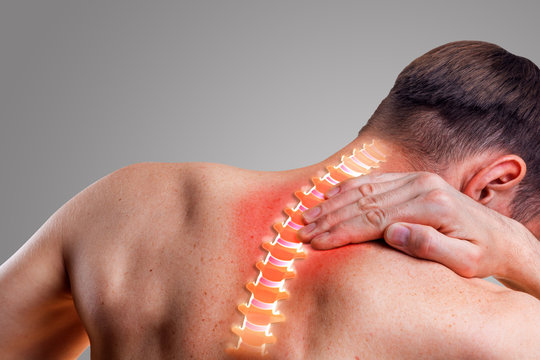
In cervical spondylosis, the discs in the neck gradually wear down, which can lead to persistent neck pain, tingling or numbness in the hands, and weakness. The main causes include poor posture (such as excessive use of mobile phones or computers), sitting for long periods, and aging. If ignored, it can put pressure on the nerves, making the condition more serious.
The condition is mainly controlled through physiotherapy, regular neck exercises, and maintaining proper posture. It is also very important to avoid sitting in the same position for long periods and to use the right pillow. Most importantly, if the pain increases or if numbness or weakness is experienced, you should consult a doctor immediately to ensure timely treatment and prevent the condition from becoming severe.
However, in some people, the nearby muscles, ligaments, or nerves may become irritated or 'pressed on' by the degenerative changes. So, cervicalspondylosis can be a cause of neck pain, particularly in older people. Not all types of neck mean that an individual is suffering from cervical Spondylosis. But, if not looked after and treated carefully, neck pain may take the form of CervicalSpondylosis.
Symptoms of CervicalSpondylosismay manifest differently in different individuals, varying from mild to severe. The most common of them being
Neck pain
sometimes headaches mostly in back of head (occiput)
Movement of the neck makes the pain worse.
Occasional pain in the shoulders,
Often accompanied by neck muscle stiffness.
Pain radiate to the upper arm, forearm or hand
Giddiness & vertigo associated with pain and stiffness.
Fatigue, disturbed sleep, and impaired ability to work.
Pain in the upper arm.
Long standing degeneration (wearing away) of the vertebrae and the intervertebral discs is the primary cause behind this disorder. Now this can be triggered due to a number of reasons such as
Advancing age
Repetitive neck injury
Poor Muscle tone
Joint Problem – Cervical Facet Arthropathy
Ligament or muscle injury
Disc problem – slipped disc or tear in disc
Occupational trauma – lifting heavy loads on head, gymnastics, working on the computer for long hours
Occupations requiring minute concentration wherein people work with bent neck for long time
Any kind of odd postures that put a strain on the neck
Smoking
The history of your complaints and the examination findings often provide most of the details necessary to diagnose CervicalSpondylosis. However, some tests may be required to confirm the diagnosis as well as to assess the extent of damage that has already occurred. It can also be used to track the progress of the condition over a period of time.
Here are some of the tests that can be done to confirm the diagnosis X-ray of the Cervical spine (neck) – detects the development of spurs (bony outgrowths) on the vertebrae MRI (Magnetic Resonance Imaging) spine – determines the extent of neural damage, if any EMG – Electromyogram – to detect abnormal muscle electrical activity in case of nerve affection X-ray and MRI.
For acute pain - gentle exercise of neck, medicines and applying heat.
Painkillers are often helpful. Pain killer as well as anti-inflammatory medicine can help you to move your neck for exercise. As well as it help to reduce an inflammation in neck. Pain killer are good role in early spondylotic changes. In advance stages pain killers are not much useful. Also in long run pain killers can have a adverse effect on Kidney, liver and other major organs. So you should not take pain killers by your own, consult your doctor for this.
If pain is not controlled with pain killer or exercise than role of intervention become important.